
Why Dating Feels So Hard for Smart People
Blogger: Adam.W | Published 2026.1.5
Contents
There’s a particular kind of frustration that shows up in dating conversations.
It sounds like this:
“I’m doing everything right, but nothing is working.”
It usually comes from people who are thoughtful, self-aware, and genuinely open to connection. Not from cynics. Not from players. From people who actually want something real.
And yet—dating feels harder than it should.
For a long time, I assumed the explanation was external: apps, culture, timing, other people’s behavior. Some of that is true. But it’s not the whole picture.
There’s another factor we talk about much less honestly.
The Quiet Weight of Unspoken Expectations
Most people don’t sit down and write a list of dating standards.
They don’t say, “Here are my requirements.”
Instead, expectations form quietly:
- from past relationships
- from social comparison
- from what feels “normal” among friends
- from what no longer feels acceptable
None of this happens deliberately. Which is exactly why it’s hard to examine.
By the time frustration sets in, those expectations already feel non-negotiable—even if no one ever consciously chose them.
Why “Just Be Patient” Isn’t Very Helpful
When dating feels difficult, the advice is usually emotional rather than practical.
Be patient.
Don’t overthink it.
It’ll happen when you least expect it. That advice isn’t wrong. It’s just incomplete.
Patience doesn’t explain why the same patterns repeat. It doesn’t tell you whether effort and expectations are aligned—or quietly working against each other.
At some point, reassurance stops being comforting and starts feeling hollow.
The Discomfort of Asking the Wrong Question
Here’s a question people rarely ask themselves, even when they’re stuck:
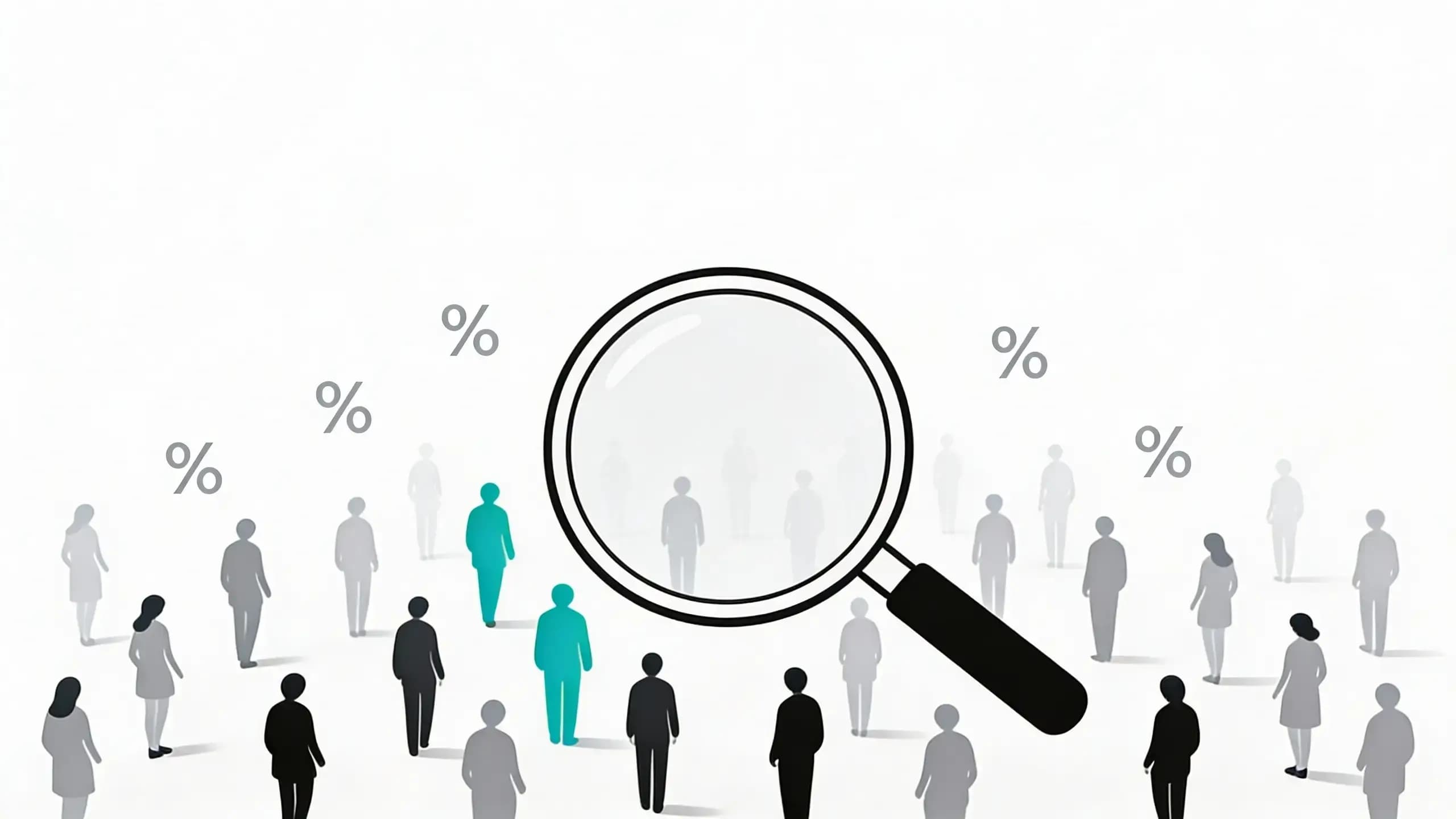
“How many people actually fit what I’m looking for?”
Not “Should I want this?”
Not “Do I deserve this?” Just: How many?
It’s an uncomfortable question because it shifts the focus away from morality and toward reality. And reality doesn’t care how reasonable something feels—it only reflects probabilities.
Why Smart People Get Trapped Here
This issue shows up most often among people who are introspective.
They analyze conversations. They reflect on past mistakes. They read about attachment styles and communication patterns.
What they don’t analyze nearly as much is selection pressure.
When multiple preferences overlap—especially around lifestyle, income, education, or timing—the dating pool can shrink faster than intuition expects.
Being thoughtful doesn’t protect you from that math.
When Dating Starts to Feel Personal (Even When It Isn’t)
One of the hardest parts of dating is how quickly probability turns into self-blame.
Low response rates feel like rejection.
Few compatible matches feel like personal failure.
Time passing feels like something going wrong. But sometimes, the issue isn’t attractiveness, effort, or emotional readiness.
Sometimes, the odds are just tight.
And tight odds feel very different when you don’t realize they’re tight.
What Seeing the Numbers Changes
This is where tools like a Dating Standards Calculator become unexpectedly helpful—not because they give advice, but because they provide context.
Seeing an estimated percentage doesn’t tell you what to do next.
What it does is:
- separate probability from self-worth
- replace vague frustration with something concrete
- explain patterns that felt confusing or unfair
For many people, that alone reduces emotional weight. Things stop feeling mysterious or personal.
Realism Doesn’t Kill Romance — It Reduces Burnout
There’s a fear that acknowledging constraints will make dating cynical or transactional.
In practice, the opposite often happens.
When people understand their odds, they stop chasing outcomes that consistently exhaust them. They become more intentional. Less reactive. Less bitter.
Dating stops feeling like a referendum on their value and starts feeling like a process again.
Not easy—but clearer.
You Don’t Need to Change Your Standards to Learn From Them
Clarity doesn’t demand action.
You can look at your dating standards and decide:
- to keep them
- to adjust them
- or simply to understand their impact
All three are valid.
What matters is replacing guesswork with awareness.
If Dating Has Felt Heavier Than It Should
If dating has started to feel draining, confusing, or quietly discouraging, that feeling deserves more than motivational advice.
Sometimes the most grounding thing you can do is step back and ask:
What am I optimizing for—and how rare is that outcome?
A Dating Standards Calculator won’t solve dating.
But it can explain why something that feels simple has felt so hard. And that understanding, on its own, can be a relief.